
 English
 中文简体
中文简体DIY Guide: How to Sew with Imitation Silk Fabrics
Sewing with luxurious, fluid materials can be a rewarding challenge for home sewers. Among these, imitation silk fabric offers the drape and sheen of real silk without the high cost or ethical concerns. However, its slippery nature and delicate edges demand specific techniques.
Understanding Imitation Silk Fabric
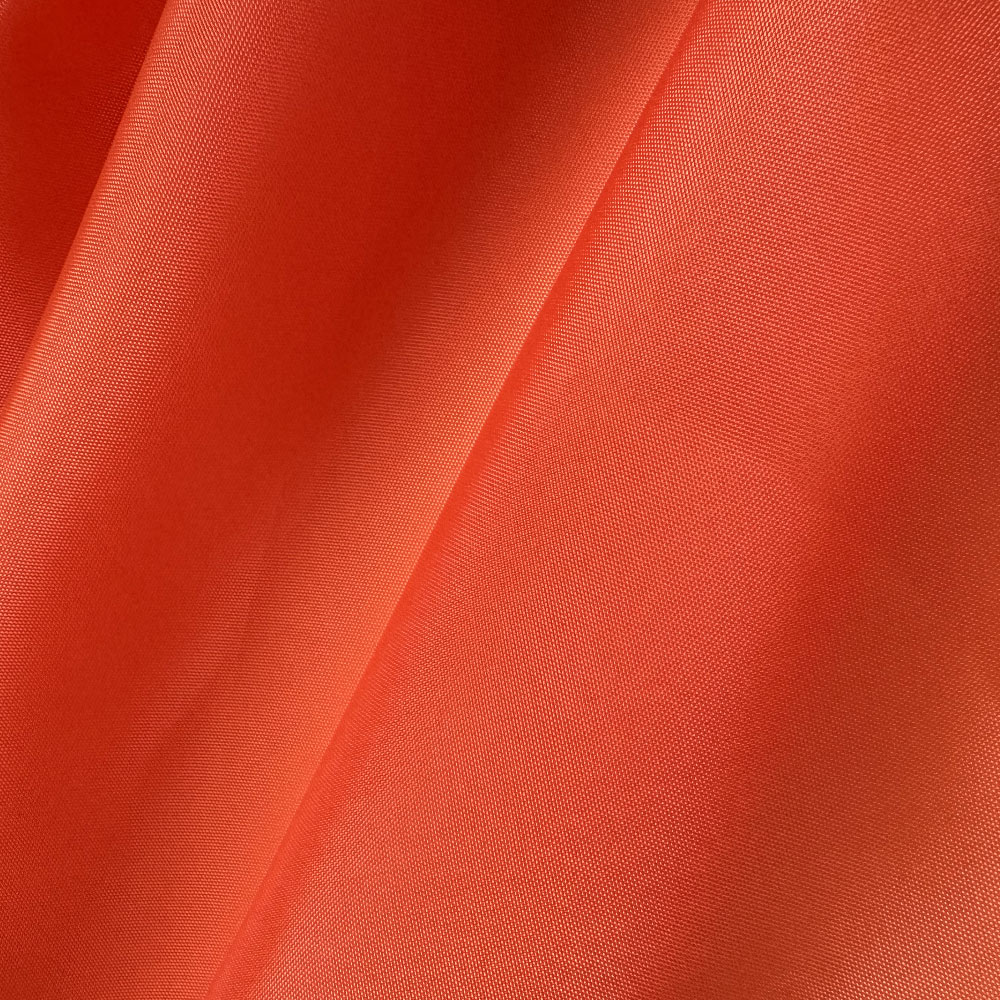
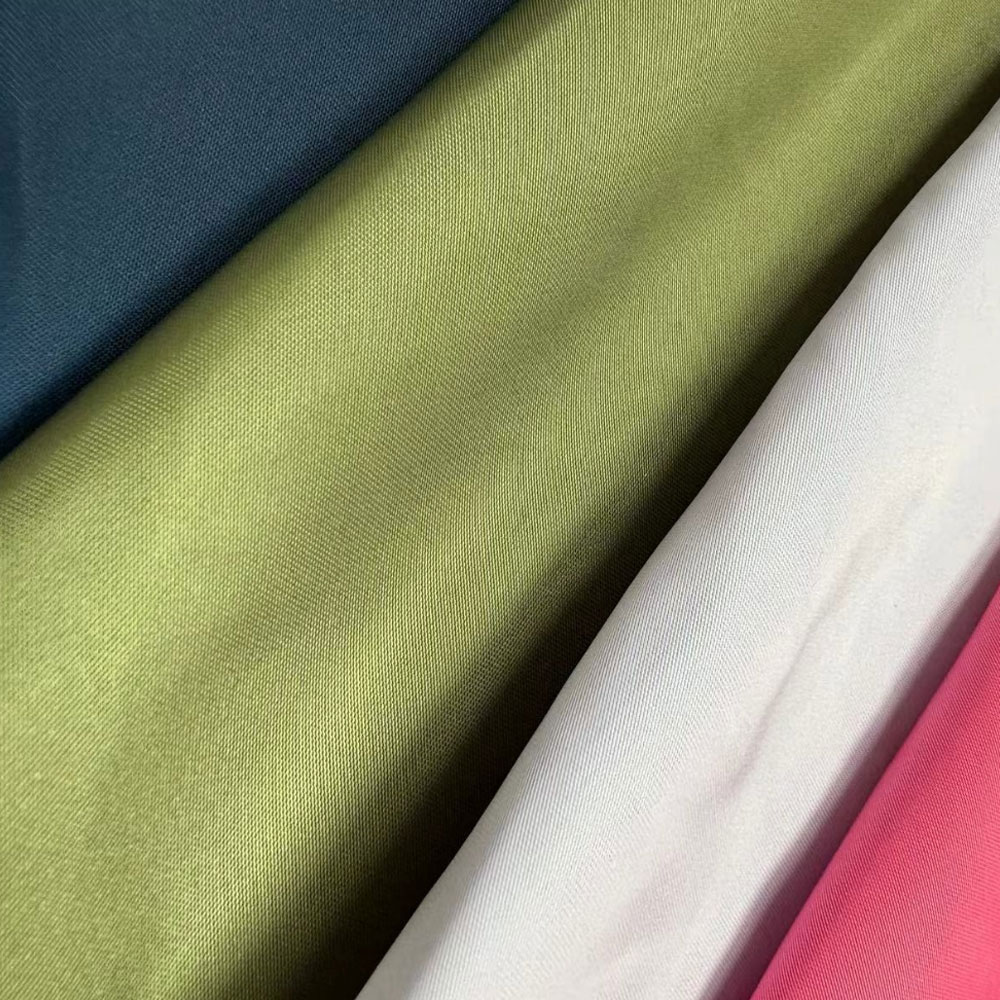
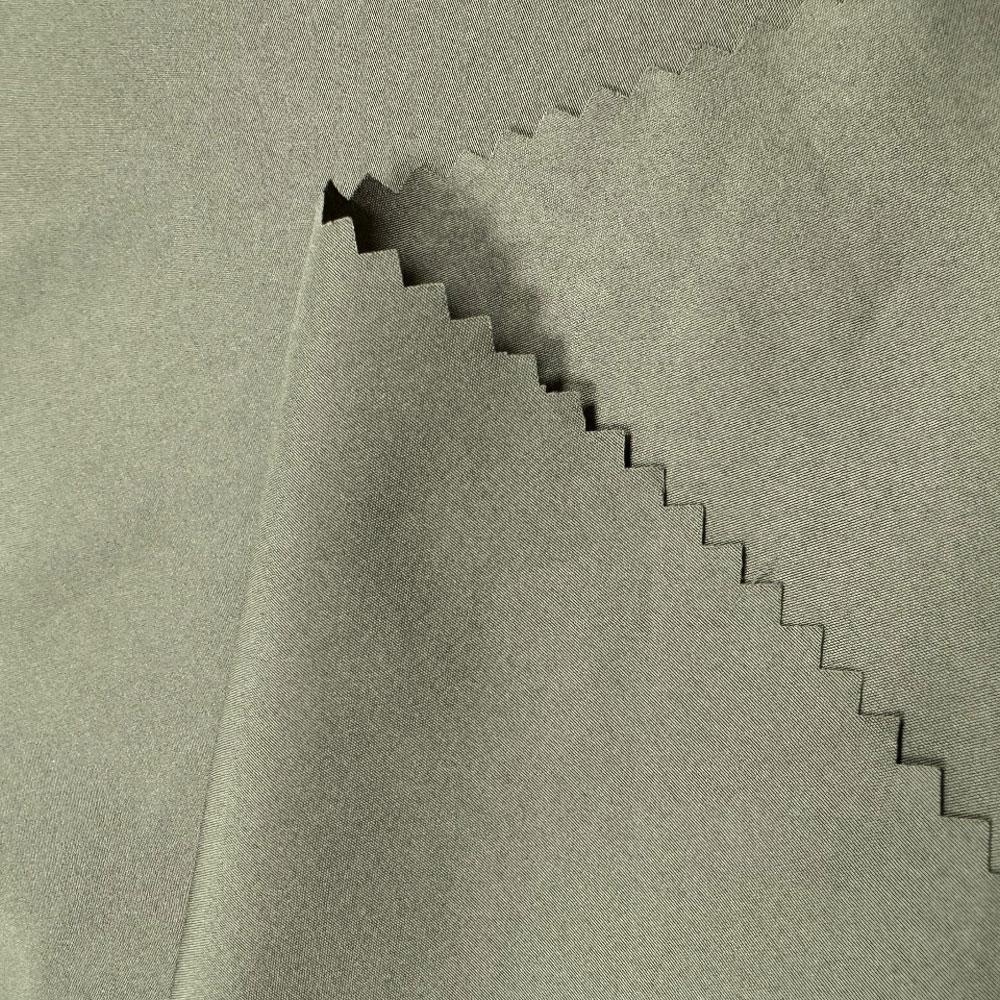
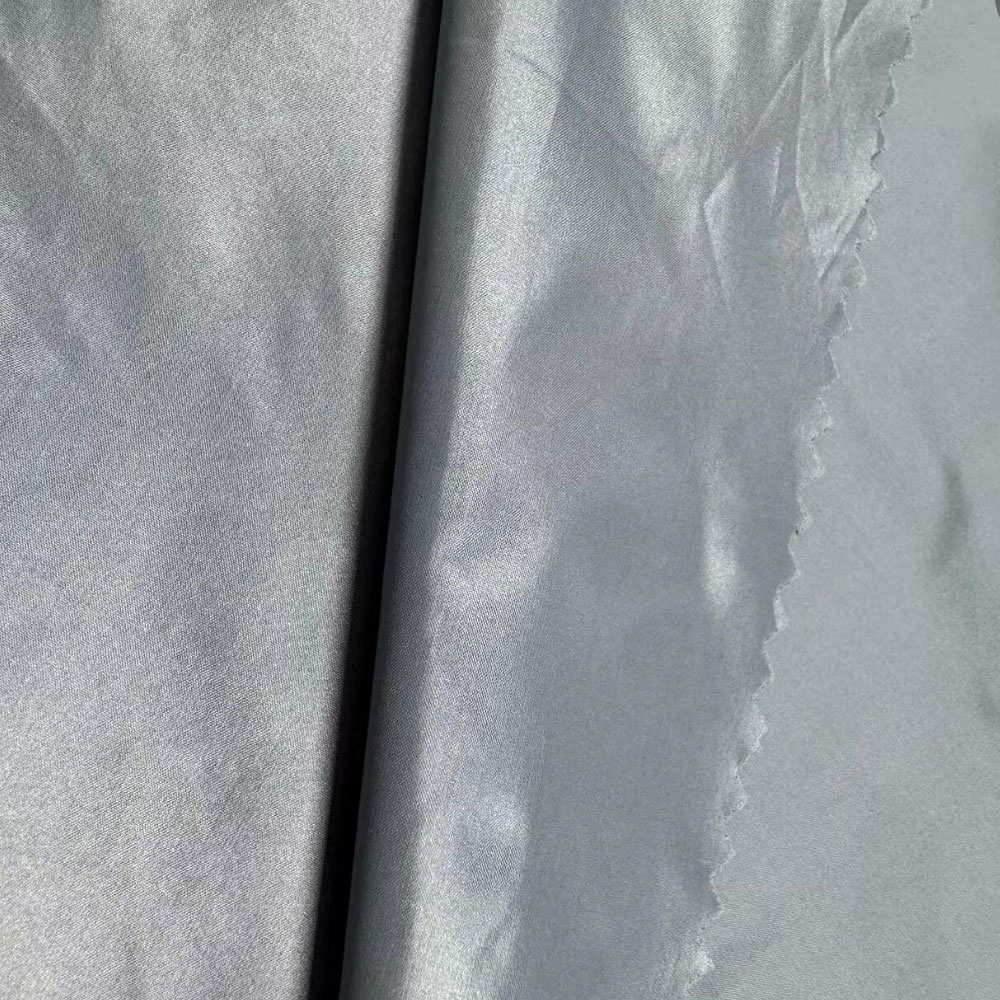
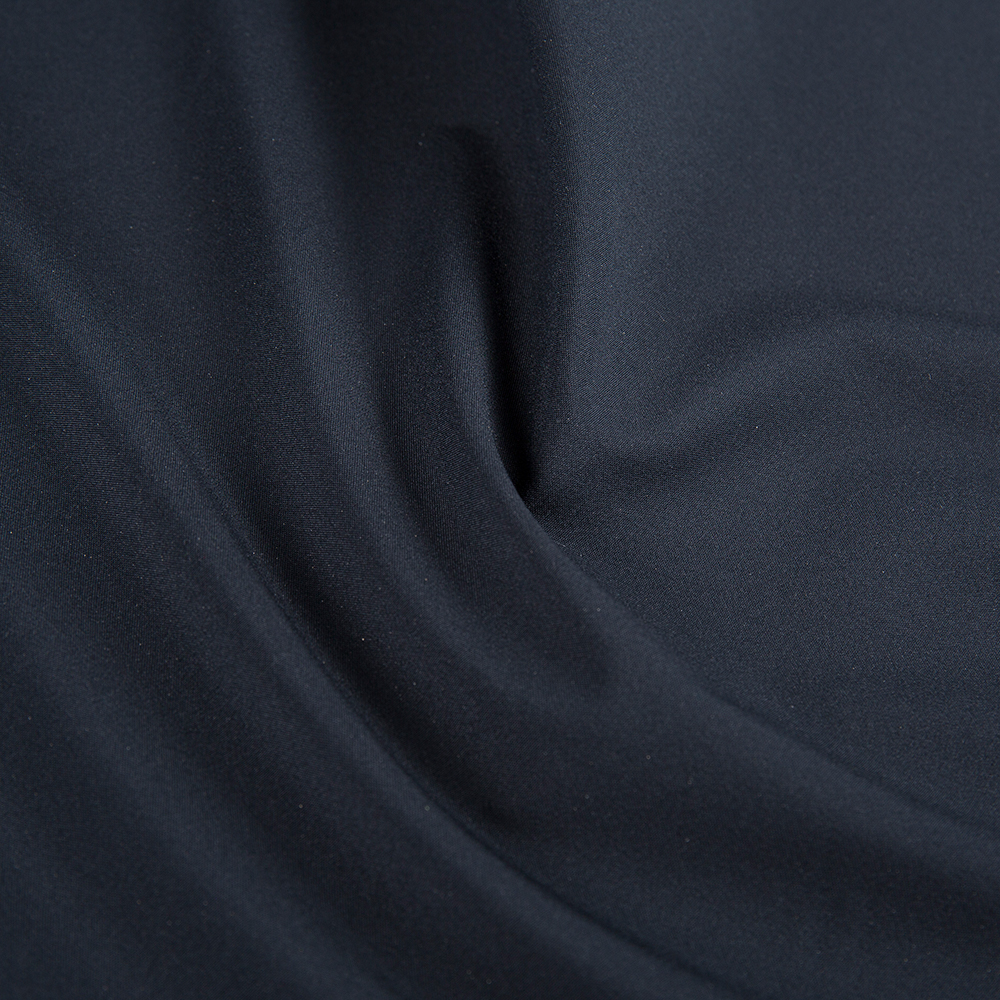
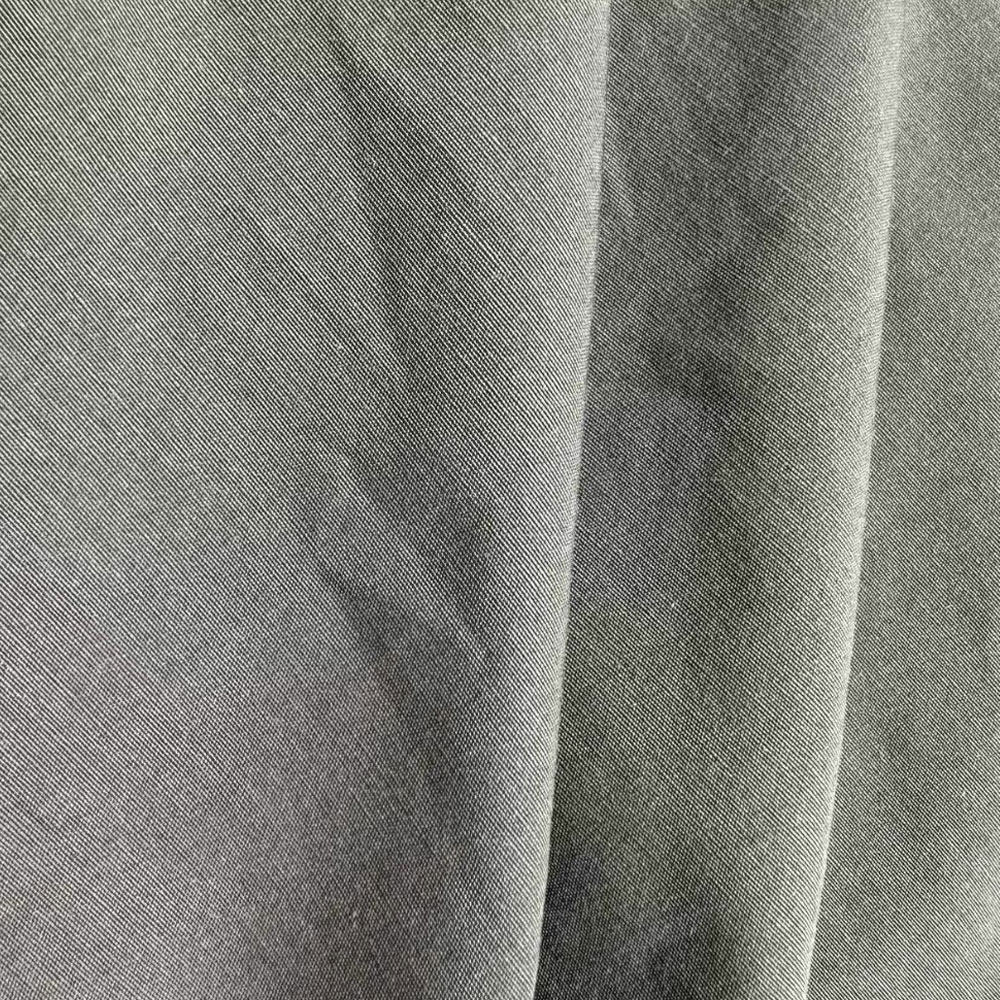
Before threading your needle, it is essential to understand what imitation silk fabric is and how it behaves. Typically made from polyester, rayon, or nylon blends, this fabric mimics the luster, softness, and fluid drape of natural silk. Common varieties include charmeuse, chiffon, satin, and crepe de chine alternatives. The primary sewing challenge comes from two properties: low friction (causing layers to shift) and heat sensitivity (melting or discoloration under high iron temperatures). Additionally, edges tend to fray more aggressively than cotton or wool. Recognizing these traits allows you to adapt your workflow accordingly.
Key characteristics to remember:
- Slippery surface: Requires stabilizers and careful pinning.
- Shiny finish: Shows every needle hole and seam distortion.
- Light to medium weight: Demands fine threads and small stitch lengths.
- Synthetic content: Low melt point; use cool irons and press cloths.
Essential Tools and Preparation
Proper preparation prevents frustration. Gather the following items before laying your imitation silk fabric on the cutting table.
| Tool Category | Recommended Items | Purpose |
|---|---|---|
| Cutting tools | Rotary cutter, sharp micro-tip scissors, self-healing mat | Prevents snags and jagged edges |
| Marking tools | Water-soluble pens, tailor’s chalk, tracing paper | Non-permanent, no oil stains |
| Pins & needles | Fine glass-head pins, microtex needles (size 60/8 or 70/10) | Reduces visible holes and fabric snags |
| Thread | 100% polyester, lightweight (50 wt) | Matches stretch and reduces puckering |
| Pressing tools | Press cloth, dry iron, tailors ham | Avoids shine marks and melting |
| Stabilizers | Tissue paper, spray starch, washaway stabilizer | Controls fabric slip during sewing |
Pre-washing imitation silk fabric is optional but wise if the final garment will be laundered. Use a gentle cycle in a mesh bag or hand-wash cold, then air dry flat. Do not wring. Press lightly from the wrong side with a low-heat iron (synthetic setting) and a press cloth. If the fabric is dry-clean only, skip pre-washing and plan for professional cleaning of the finished item.
Cutting Without Shifting
Cutting imitation silk fabric is often the most difficult step because the layers creep apart. Follow these methods for accurate pattern pieces.
Use a single layer whenever possible. Fold the fabric gently only if required by the pattern. For large pieces like skirts or blouse fronts, place the fabric flat on a cutting mat with the wrong side up.
Weigh down the pattern with pattern weights instead of pins. Pins create distortion in slippery fabrics. Use small metal washers or commercial pattern weights.
Place tissue paper underneath the entire fabric sheet. The paper’s texture grips the imitation silk fabric, reducing movement. Cut both paper and fabric together with a rotary cutter.
Cut with a rotary cutter rather than scissors. Long, smooth strokes prevent pulling. Change blades frequently because dull blades snag and pull threads.
Mark notches inward instead of outward. Cut small triangles into the seam allowance rather than clipping the edge. This preserves the fabric’s edge integrity.
If you must cut double layers, baste the two raw edges together with a long machine stitch (stitch length 5mm) inside the seam allowance before cutting. This temporary basting stabilizes both layers as a single unit.
Choosing Stitches and Seam Finishes
Standard sewing machine stitches require adjustment for imitation silk fabric. The wrong stitch type leads to puckering, thread tension loops, or seam popping.
| Stitch Type | Settings for Imitation Silk | Best Use |
|---|---|---|
| Straight stitch | Length 2.0–2.5 mm, tension 3–4 | Side seams, darts, center backs |
| Narrow zigzag | Width 1.5 mm, length 2.0 mm | Knits (if fabric has stretch), edge finishing |
| Stretch stitch | Width 2.0 mm, length 2.5 mm | Only for activewear imitations |
| Triple straight stitch | Not recommended | Creates excessive perforation |
Needle selection: Use a microtex (sharp) needle size 60/8 for lightweight imitation silk fabric, or 70/10 for medium weight. Avoid universal or ballpoint needles, which push fibers aside and cause skipped stitches. Change the needle after every 4–6 hours of sewing or at the start of each new project.
Thread choice: Fine polyester thread (50 weight or higher) is ideal. Cotton thread has less give and often breaks. Do not use old thread; it becomes brittle.
Seam finishes matter because imitation silk fabric frays readily. Here are three reliable methods:
- French seam – Best for straight seams on sheer or lightweight silk-like fabrics. Sew the seam wrong sides together at ¼ inch, trim, press, then sew right sides together at ⅜ inch to encase raw edges.
- Hong Kong finish – Uses bias binding (made of the same or lighter fabric) to encase each seam allowance separately. Ideal for unlined jackets or open seams.
- Zigzag overcast – Fast but less durable. Set a wide zigzag (4mm width, 1mm length) directly over the raw edge. Only use on low-fray varieties.
Avoid pinking shears – the jagged edge unravels quickly on imitation silk fabric.
Handling Techniques at the Machine
Sewing requires active management of fabric movement. Use these techniques to maintain control.
Use a walking foot if your machine accepts one. Even feed dogs prevent the top layer from crawling ahead of the bottom layer. If no walking foot is available, place a strip of tissue paper between the fabric and the feed dogs.
Reduce presser foot pressure (if your machine allows adjustment) to about half the normal setting. High pressure flattens and stretches the fabric.
Start with a leader – a scrap of the same fabric or paper – to prevent the thread from pulling the fabric into the needle plate. Simply sew onto the leader, then feed your actual piece.
Hold threads taut for the first three stitches. Use your left hand to lightly pull both threads to the back while your right hand guides the fabric. This prevents thread nesting on the underside.
Do not push or pull the fabric through the machine. Let the feed dogs do the work. Your role is only to guide the edge in a straight line.
If puckering occurs despite correct settings:
Re-check thread tension (upper thread should not loop under the fabric).
Increase stitch length to 2.5 mm.
Use a brand new needle.
Sew through a layer of tissue paper placed on top of the fabric.
Pressing Without Damaging the Shine
Heat and pressure are risky for imitation silk fabric. The synthetic fibers melt at around 300°F (150°C), and excessive pressure crushes the weave, creating permanent shiny marks.
Follow this pressing protocol:
- Iron temperature: Synthetic or silk setting (low to medium).
- Always press on the wrong side.
- Use a press cloth – muslin or cotton organza – between the iron and fabric.
- Do not use steam directly; instead, mist the press cloth lightly.
- Press, do not iron. Lift and place the iron down; never slide it back and forth.
- Allow each section to cool completely before moving the garment.
For seams, press them open over a tailor’s ham or a rolled towel to avoid imprinting the seam allowance onto the right side. For darts, press them downward or toward the center, using a piece of paper underneath to prevent show-through.
Hemming and Final Details
Hemming imitation silk fabric requires finesse. A machine-stitched double fold hem often looks stiff and may ripple. Instead, try these approaches:
Rolled hem using a narrow hem foot – Available for most machines. Practice on scraps first. The foot rolls the edge twice automatically as you sew. Use a stitch length of 1.8 mm and a microtex needle.
Hand-rolled hem – Time-consuming but beautiful. Roll the edge over a fine needle (size 10) and stitch with small, evenly spaced slip stitches using matching thread. Ideal for scarves and chiffon blouses.
Faced hem – Cut a facing from the same imitation silk fabric or a lightweight lining fabric. Attach to the lower edge, turn to the inside, and topstitch invisibly by hand or with a blind hem stitch on your machine.
Bias tape hem – Use commercial polyester bias binding (1/2 inch wide). Encase the raw edge and stitch close to the binding’s inner fold. This works well for curved hems like circle skirts.
For buttonholes, stabilize the area with a small piece of lightweight fusible interfacing (do not choose heavy interfacing, which will show through). Use a satin stitch buttonhole setting and reduce the stitch density slightly to avoid perforation damage. Test on a double layer of scrap.
Troubleshooting Common Problems
Even experienced sewers encounter issues with imitation silk fabric. Refer to this quick guide:
| Problem | Likely Cause | Solution |
|---|---|---|
| Fabric fraying at cut edges | Loose weave or high fray tendency | Apply fray check liquid or sew seam immediately after cutting |
| Needle holes visible | Needle too large (size 80/12 or above) | Switch to microtex size 60/8 or 70/10 |
| Seam puckering | Too much thread tension or short stitch length | Reduce tension to 3, increase stitch to 2.5 mm |
| Skipped stitches | Dull needle or wrong needle type | Install new microtex needle; check threading |
| Shiny iron mark on fabric | Iron too hot or pressed on right side | Use low heat + press cloth; cannot be fixed – avoid |
| Fabric slips off cutting table | Static electricity or smooth surface | Lay a flannel sheet or non-slip rug pad underneath |
Project Ideas for Practice
Before attempting a full garment, build confidence with small projects using imitation silk fabric scraps.
Camisole – Uses straight seams, narrow straps, and a faced hem. Excellent for practicing French seams.
Scarf with rolled hem – Tests your ability to control a long, slippery edge. Requires consistent hand or machine rolled hem.
Draft bag (sleep mask) – Small curved seams teach you to ease fabric without puckering.
Slip or half-slip – Combines elastic casing, side seams, and a deep hem. Useful lingerie practice.
Lined drawstring pouch – Introduces lining attachment and turning techniques.
After completing two or three small items, move to a blouse, skirt, or dress pattern labeled “for silks and rayons.” Avoid patterns with extreme gathers, tight curves, or princess seams until you are comfortable.
Laundry and Long-Term Care
Proper care extends the life of garments made from imitation silk fabric. Despite its synthetic origins, the fabric requires gentleness.
- Machine washing: Only if the fabric label permits. Use a mesh bag, cold water, delicate cycle, and mild detergent. Never use fabric softener (coats fibers and reduces drape).
- Hand washing: Preferred method. Submerge in cool water with a drop of dish soap or specialty lingerie wash. Swish gently, rinse twice, roll in a towel to remove water, then lay flat.
- Drying: Never use a machine dryer. High heat melts or shrinks synthetic fibers. Air dry flat away from direct sunlight.
- Ironing: Follow pressing guidelines above. If the garment is wrinkled but clean, hang it in a steamy bathroom for 10 minutes as a no-heat alternative.
- Storage: Fold rather than hang to prevent stretching. If hanging is necessary, use padded hangers and leave space between garments to avoid friction creases.
Final Advice for Confident Sewing
Sewing with imitation silk fabric is a skill that improves with practice and patience. The material rewards careful preparation and punishes haste. Do not skip the tissue-paper trick for cutting or the press cloth for ironing. Test every stitch and setting on two layers of scrap before touching your project pieces. If a seam goes wrong, seam rippers work fine – but go slowly to avoid tearing the fabric.
Remember that imitation silk fabric is forgiving in one key way: its drape hides minor stitching irregularities far better than stiff cottons. Slight waves in a hem or a tiny pleat at a seam allowance often disappear when the garment hangs on the body. Use this to your advantage, but never rely on it to fix major errors.
With the techniques outlined here – from rotary cutting to French seaming to cool pressing – you can confidently create flowing, glossy garments that rival professional work. Whether you sew a nightgown, a bridesmaid dress, or a lining for a winter coat, imitation silk fabric gives you luxury results at a practical price. Start with a small project, apply these steps one by one, and soon you will reach for this fabric without hesitation.
Guarantee High Quality With Our Expertise
RELATED PRODUCTS

- Textiles
- > Cosplay Fabrics
- > Outdoor and sports series
- > Work Jacket Fabrics
- > Down Jacket Fabrics
- > Women's Wear Fabrics
- > Anti Static And Dust-Free Clothing Fabrics
- About BANYAN
- > Our Story
- > Innovation & Testing
- > Certificate
- Contact
- Address:No.2, Jinlun textile garden, 3rd south ring road, Shengze Town, Wujiang District, Suzhou
- Phone: +86-13913093109
- Email: [email protected]

