
 English
 中文简体
中文简体How Do Lightweight Work Jacket Fabrics Reduce Worker Fatigue?
The role of work jackets in industrial settings is often underestimated. However, when paired with the right fabric technology, these garments can contribute significantly to worker comfort, safety, and productivity. Lightweight work jacket fabrics, in particular, have become a key element in reducing worker fatigue, especially in environments where physical exertion is a constant. By understanding how these fabrics are designed and how they function, employers can make informed choices that support their workers’ health and efficiency.
Introduction: Understanding Worker Fatigue in Industrial Settings
Worker fatigue is a critical issue in many industries. When workers experience fatigue, it can lead to decreased productivity, increased risk of injury, and overall discomfort. In industries such as construction, manufacturing, and logistics, workers often face long hours of physical activity, which can take a toll on their bodies. One of the factors that contribute to fatigue is the clothing workers wear during these activities. Traditional workwear may be heavy, restrictive, and uncomfortable, leading to quicker exhaustion.
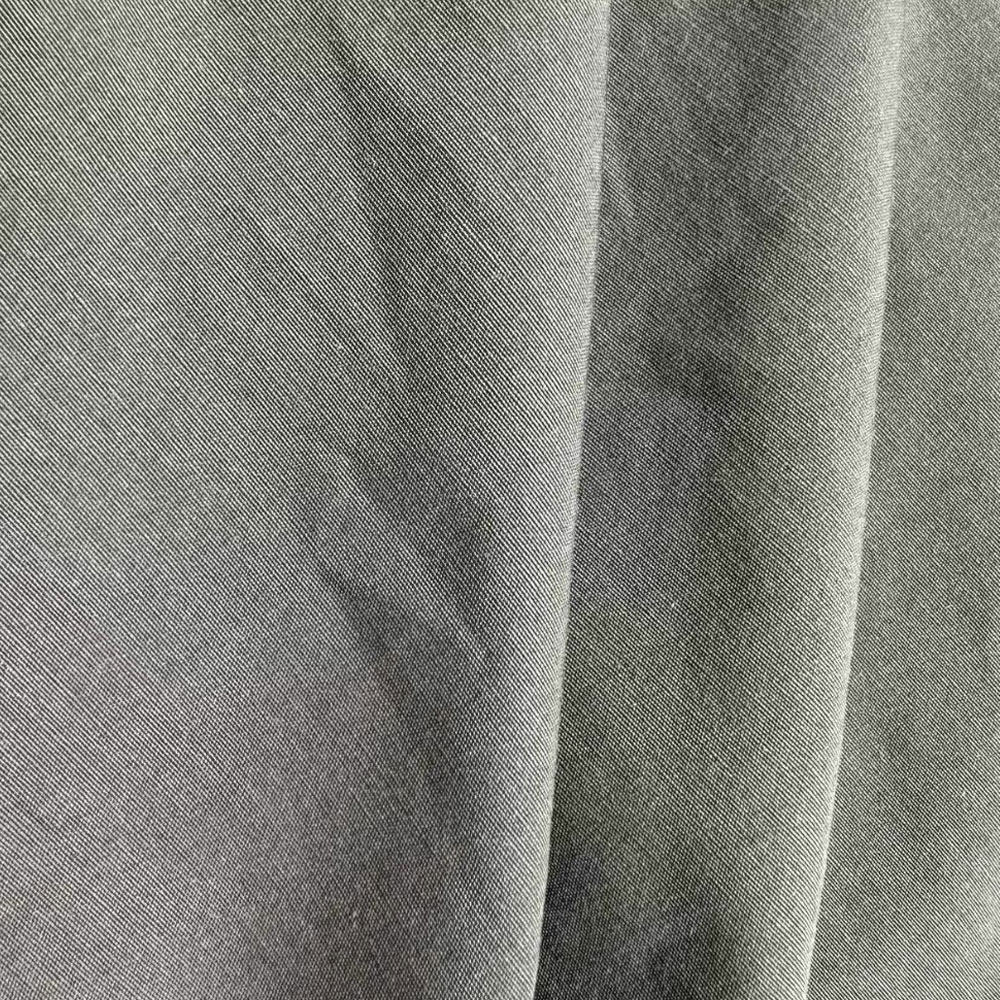
A lightweight work jacket fabric, however, offers multiple advantages that can reduce fatigue. These fabrics are specifically designed to provide comfort and support, improving overall well-being. By using innovative textiles, work jackets can help alleviate some of the common issues associated with prolonged wear.
The Role of Lightweight Work Jacket Fabrics
The design of lightweight work jacket fabrics focuses on creating a garment that is not only light in weight but also breathable, flexible, and durable. These qualities make them ideal for reducing fatigue in high-intensity work environments.
Breathability
Breathability is one of the most important factors in reducing fatigue. When workers wear heavy, non-breathable jackets, sweat and moisture accumulate on the skin, causing discomfort and overheating. Lightweight work jacket fabrics, such as those made from cotton blends or synthetic fibers like polyester, offer superior moisture-wicking properties. These fabrics allow sweat to evaporate efficiently, maintaining a comfortable body temperature and reducing the likelihood of fatigue caused by heat stress.
Flexibility and Mobility
Another key benefit of lightweight fabrics is their flexibility. Heavy jackets can restrict movement, especially in tasks that require bending, reaching, or lifting. By contrast, lightweight work jacket fabrics are often engineered to be more flexible and stretchable, allowing workers to move freely without feeling constrained. This increased range of motion can help prevent strain and muscle fatigue, particularly during repetitive movements or prolonged periods of exertion.
Durability without Bulk
Despite being lightweight, these fabrics do not compromise on durability. In many cases, work jacket fabrics are treated with specialized coatings or are woven in a way that ensures they can withstand the rigors of industrial environments. Whether dealing with abrasion, dirt, or exposure to harsh chemicals, these jackets can maintain their integrity without adding unnecessary weight or bulk. The durability of the fabric ensures that workers do not need to replace their workwear frequently, reducing the mental and physical toll that comes with constantly adjusting to new, heavier jackets.
Temperature Regulation
In addition to breathability, many lightweight work jacket fabrics incorporate temperature-regulating technologies. These fabrics can help workers stay comfortable in various weather conditions, whether it’s a hot summer day or a chilly winter morning. By preventing overheating or excessive cold, these jackets help maintain the wearer’s energy levels, preventing the tiredness that often results from extreme temperatures.
Key Features of Lightweight Work Jacket Fabrics
To better understand how these fabrics function to reduce fatigue, it’s helpful to break down their features. Below is a table outlining some of the most common characteristics of lightweight work jacket fabrics and their impact on worker comfort.
| Feature | Description | Impact on Worker Fatigue |
|---|---|---|
| Moisture-Wicking | Fabrics that draw sweat away from the skin. | Helps keep the skin dry, reducing the discomfort and fatigue caused by wet clothing. |
| Breathability | Fabrics allow air to flow through, enhancing ventilation. | Prevents overheating and sweating, helping workers maintain a comfortable temperature. |
| Stretchability | Fabrics that offer a degree of flexibility and stretch. | Improves mobility and comfort, preventing stiffness and muscle fatigue. |
| Lightweight Composition | Use of lightweight materials like cotton, polyester, or blends. | Reduces physical strain by preventing the jacket from becoming too heavy or cumbersome. |
| Durability | Fabrics designed to withstand wear and tear. | Minimizes the need for frequent replacements, which can cause additional physical effort. |
| Temperature Regulation | Fabrics that adapt to different climates and conditions. | Helps keep the body at an optimal temperature, reducing energy expenditure. |
Reducing Physical Strain through Design
Work jacket designs also contribute to reducing fatigue. The cutting-edge design of modern lightweight jackets often includes features such as ergonomic seams, adjustable cuffs, and vented panels. These elements are designed to enhance comfort and minimize physical strain during work.
Ergonomic Cuts
Ergonomically designed jackets are tailored to the body’s natural movements, which reduces strain on the shoulders, back, and arms. By incorporating these features into the jacket’s design, workers can move more freely and experience less muscle fatigue.
Adjustable Features
Adjustable elements, such as cuffs, hems, and waistbands, allow workers to modify the fit of their jackets according to their preferences. A better fit means less shifting and tugging on the fabric, which can otherwise create discomfort or restrict movement.
Vented Panels
Vented panels are often integrated into the design of lightweight work jackets, particularly in areas where heat tends to build up, such as the back, underarms, and chest. These vents allow air to circulate around the body, helping to regulate temperature and reduce the feeling of being overheated, which is a common cause of fatigue.
The Psychological Benefits of Lightweight Work Jackets
In addition to the physical comfort they provide, lightweight work jacket fabrics can have psychological benefits that contribute to overall well-being. When workers are comfortable and free from excessive perspiration or discomfort, they tend to feel more positive and focused. This mental clarity can lead to improved concentration and less perceived effort, ultimately reducing the mental fatigue that often accompanies physically demanding tasks.
Conclusion: A Smart Investment for Worker Productivity
Lightweight work jackets are more than just a fashion statement—they are a practical solution to reducing worker fatigue. By incorporating breathable, flexible, and durable fabrics into the design of work jackets, employers can help their workers stay comfortable, perform better, and reduce the risk of injury due to strain or overheating. Investing in the right workwear is not only beneficial for the worker but can also boost overall productivity and job satisfaction.
As industries continue to prioritize worker health and safety, it is crucial to consider the fabrics and designs used in work jackets. Lightweight work jacket fabrics offer a practical and effective way to improve comfort and reduce fatigue, ultimately leading to a more efficient and productive workforce.
FAQ
1. What makes lightweight work jacket fabrics different from traditional heavy jackets?
Lightweight fabrics are specifically designed to be breathable, flexible, and durable, offering better comfort and mobility while reducing strain and fatigue.
2. Can lightweight work jacket fabrics be used in extreme weather conditions?
Yes, many lightweight fabrics are designed with temperature-regulating properties that help keep workers comfortable in both hot and cold environments.
3. Are lightweight work jackets as durable as heavier jackets?
Yes, despite their light weight, many lightweight fabrics are treated for durability and can withstand the wear and tear of industrial environments.
4. How do lightweight work jackets contribute to worker productivity?
By providing better comfort and reducing physical strain, lightweight jackets allow workers to stay focused and perform their tasks more efficiently.
5. Are there any specific industries that benefit the most from lightweight work jacket fabrics?
Industries such as construction, logistics, and manufacturing, where physical labor is prominent, benefit greatly from the comfort and mobility provided by lightweight fabrics.
Guarantee High Quality With Our Expertise
RELATED PRODUCTS


- Textiles
- > Cosplay Fabrics
- > Outdoor and sports series
- > Work Jacket Fabrics
- > Down Jacket Fabrics
- > Women's Wear Fabrics
- > Anti Static And Dust-Free Clothing Fabrics
- About BANYAN
- > Our Story
- > Innovation & Testing
- > Certificate
- Contact
- Address:No.2, Jinlun textile garden, 3rd south ring road, Shengze Town, Wujiang District, Suzhou
- Phone: +86-13913093109
- Email: [email protected]

