
 English
 中文简体
中文简体How Do Work Jacket Fabrics Improve Industrial Safety?
Industrial work jackets are essential garments for workers exposed to potentially hazardous environments. Designed to offer protection and comfort, these jackets play a crucial role in ensuring workplace safety.
Introduction to Work Jacket Fabrics
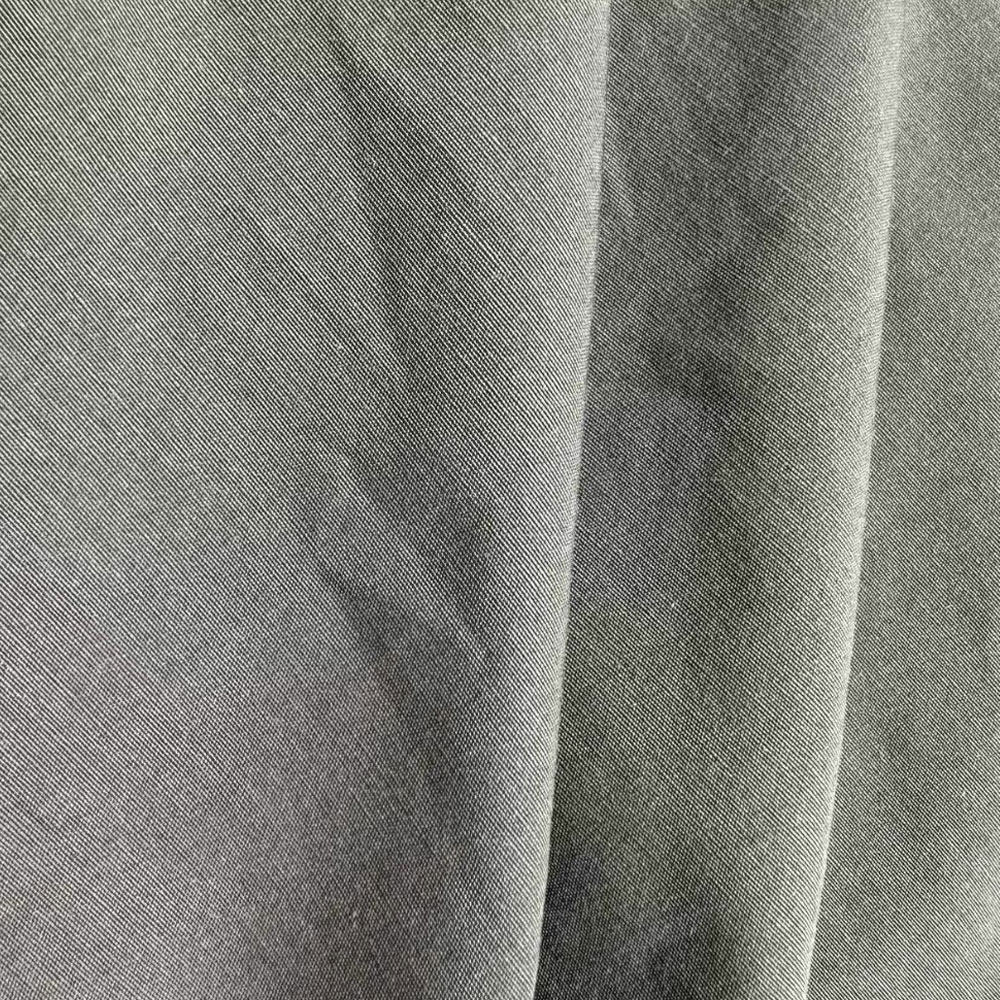
Work jacket fabrics are specially designed to meet the demanding requirements of various industrial environments. They serve as a barrier between the worker and external hazards such as extreme temperatures, sharp objects, chemicals, and physical impacts. Choosing the right fabric for industrial work jackets is essential for both comfort and protection.
Key Characteristics of Work Jacket Fabrics
Work jacket fabrics come in a wide range of materials, each designed to offer specific safety features. Some of the most common materials include:
- Cotton-based Fabrics: Known for their breathability and comfort, cotton fabrics are often used for lightweight work jackets in environments where heat stress is a concern.
- Polyester and Nylon Blends: These synthetic fibers offer durability, resistance to abrasion, and water-repellency, making them ideal for harsher industrial conditions.
- Flame-Resistant Fabrics: Flame-resistant work jackets are typically made from specialized fibers such as Nomex or Proban, which help protect workers from fire hazards.
- Hi-Vis Fabrics: For environments with low visibility, hi-vis fabrics with reflective strips are crucial for ensuring workers are easily seen, thus preventing accidents.
- Waterproof and Water-Repellent Fabrics: These fabrics, often used in outdoor or wet conditions, ensure that workers stay dry while working in rain or near water sources.
Enhancing Worker Protection with Functional Features
The fabrics used in work jackets often have specialized features designed to enhance safety. These include:
- Impact Resistance: Fabrics such as Cordura® and Kevlar® are known for their high tensile strength and resistance to punctures and abrasions. These fabrics provide protection from sharp objects, making them ideal for industries such as construction and manufacturing.
- Chemical Resistance: In industries like chemical manufacturing and laboratory work, jackets made from chemical-resistant fabrics such as PVC or rubber-coated textiles help prevent harmful substances from coming into contact with the skin.
- Thermal Protection: Fabrics designed to protect against extreme heat or cold are essential for workers in high-temperature environments. Work jackets made from thermal-resistant materials such as aramid fibers or fleece lining offer insulation, keeping workers warm or cool depending on the job.
- Electrostatic Protection: For environments with explosive materials or sensitive electronics, work jackets made from anti-static fabrics reduce the risk of accidental sparks and electrical discharges, which could cause fires or explosions.
Work Jacket Fabrics and Comfort
While protection is the primary purpose of work jacket fabrics, comfort is another crucial aspect. A well-designed jacket not only safeguards workers but also allows for a full range of motion, reducing the risk of fatigue and discomfort during long shifts. Key comfort features include:
- Breathability: Fabrics like cotton and polyester blends provide excellent breathability, which helps in moisture-wicking and sweat evaporation. This keeps workers dry and comfortable, reducing the risk of heat stress.
- Softness and Flexibility: Soft fabrics like brushed cotton or fleece-lined materials offer a more comfortable fit, ensuring that workers can move freely without restriction.
- Temperature Regulation: Fabrics with moisture-wicking properties keep the skin dry and prevent overheating in hot environments. Additionally, thermoregulating fabrics can provide insulation in cold environments, ensuring workers are comfortable across a range of weather conditions.
Durability of Work Jacket Fabrics
Durability is a key factor when selecting work jacket fabrics. A durable fabric ensures that the jacket withstands wear and tear over time, offering long-lasting protection for workers. Some common features that enhance durability include:
- Abrasion Resistance: Materials like Cordura® and heavy-duty nylon are highly abrasion-resistant, making them ideal for high-impact and rough conditions.
- Water and Oil Repellency: Fabrics treated with water or oil repellents are particularly useful in industries such as oil and gas, where workers are exposed to hazardous substances.
- UV Resistance: Some fabrics are treated to resist the damaging effects of ultraviolet (UV) radiation, which can degrade fabric strength over time. UV-resistant work jacket fabrics help maintain the integrity of the jacket for longer periods, especially in outdoor environments.
Work Jacket Fabrics in Different Industrial Sectors
Each industrial sector has its own unique safety requirements, which influence the choice of fabric for work jackets. Below is a summary of how different industries benefit from specialized work jacket fabrics:
| Industry | Key Fabric Features | Common Fabrics |
|---|---|---|
| Construction | Abrasion resistance, impact protection | Nylon blends, Cordura® |
| Chemical Processing | Chemical resistance, flame resistance | PVC, rubber-coated textiles |
| Mining | Flame-resistant, thermal protection | Nomex®, aramid fibers |
| Oil and Gas | Waterproof, oil repellency | Oil-resistant fabrics, PVC |
| Electrical and Electronics | Electrostatic protection, fire resistance | Anti-static fabrics, flame-resistant materials |
Work Jacket Fabrics and Environmental Sustainability
In recent years, there has been a growing trend toward eco-friendly work jacket fabrics. Many companies are opting for sustainable materials such as organic cotton, recycled polyester, and bio-based textiles. These fabrics offer similar protective features while reducing the environmental impact of the garment production process.
Conclusion
Work jacket fabrics play an essential role in improving industrial safety by providing protection against various hazards, enhancing comfort, and ensuring durability. The right fabric choice not only safeguards workers but also promotes productivity and efficiency. As industrial safety standards evolve, so do the fabrics used in work jackets, continually offering better protection for workers in demanding environments.
FAQ
1. Are there work jacket fabrics that are both flame-resistant and water-repellent?
Yes, there are work jacket fabrics that combine flame resistance with water-repellent properties, such as specialized blends used in hazardous work environments.
2. How do breathable fabrics improve comfort in work jackets?
Breathable fabrics allow sweat to evaporate, keeping the wearer cool and dry, which is essential for comfort during physically demanding tasks.
3. Can work jacket fabrics be eco-friendly without compromising safety features?
Yes, sustainable fabrics like organic cotton and recycled polyester offer comparable protective qualities while being environmentally friendly.
4. What is the role of visibility in work jackets, and how is it achieved?
High-visibility work jackets often use reflective strips or bright, contrasting colors to ensure that workers are visible in low-light conditions, improving safety on the job.
Guarantee High Quality With Our Expertise
RELATED PRODUCTS


- Textiles
- > Cosplay Fabrics
- > Outdoor and sports series
- > Work Jacket Fabrics
- > Down Jacket Fabrics
- > Women's Wear Fabrics
- > Anti Static And Dust-Free Clothing Fabrics
- About BANYAN
- > Our Story
- > Innovation & Testing
- > Certificate
- Contact
- Address:No.2, Jinlun textile garden, 3rd south ring road, Shengze Town, Wujiang District, Suzhou
- Phone: +86-13913093109
- Email: [email protected]

