
 English
 中文简体
中文简体Secrets Behind Choosing the Perfect Cosplay Fabrics for Popular Characters
Introduction
Cosplay is more than just wearing a costume; it’s about embodying a character and bringing them to life. One of the key elements in creating an authentic cosplay is choosing the right fabric. Cosplay fabrics play a crucial role in not only the appearance but also the comfort, durability, and ease of movement of your costume. The right fabric can make a world of difference when portraying your favorite characters.
Understanding the Importance of Cosplay Fabrics
Cosplay fabrics are the backbone of any costume. Whether it’s a hero’s armored suit or a character’s whimsical dress, the fabric you choose will impact the overall appearance, comfort, and durability of your outfit. The material should complement the character’s personality, role, and the environment they come from.
Aesthetic Appeal
The right fabric brings out the visual qualities of the character’s design, helping to achieve an authentic look. The texture, sheen, and weight of the fabric should reflect the materials seen in the original depiction of the character.
Comfort and Fit
Cosplay often requires long hours of wear, so comfort is paramount. Choosing breathable, stretchable, or lightweight fabrics can enhance the wearability of the costume.
Durability and Maintenance
Cosplay can involve intense physical activity, especially at conventions or events. The fabric should be durable enough to withstand wear and tear while maintaining its shape.
Factors to Consider When Choosing Cosplay Fabrics
When selecting the right materials for cosplay, several factors come into play. Here are some key points to guide your fabric choices.
1. Character’s Style and Genre
- Fantasy & Historical Characters: For characters from fantasy worlds or historical settings, fabrics like velvet, brocade, and silk are commonly used. These materials help create a sense of royalty, elegance, or medieval charm.
- Sci-Fi & Superhero Characters: Characters from futuristic or superhero universes often require more structured fabrics such as neoprene, spandex, or synthetic leather to achieve the sleek, high-tech appearance.
2. Fabric Weight and Texture
- Lighter fabrics like cotton, polyester, and chiffon are great for creating flowing, softer garments such as dresses and robes.
- Heavier fabrics like denim, canvas, and faux leather work best for more structured or armor-like costumes.
3. Color and Finish
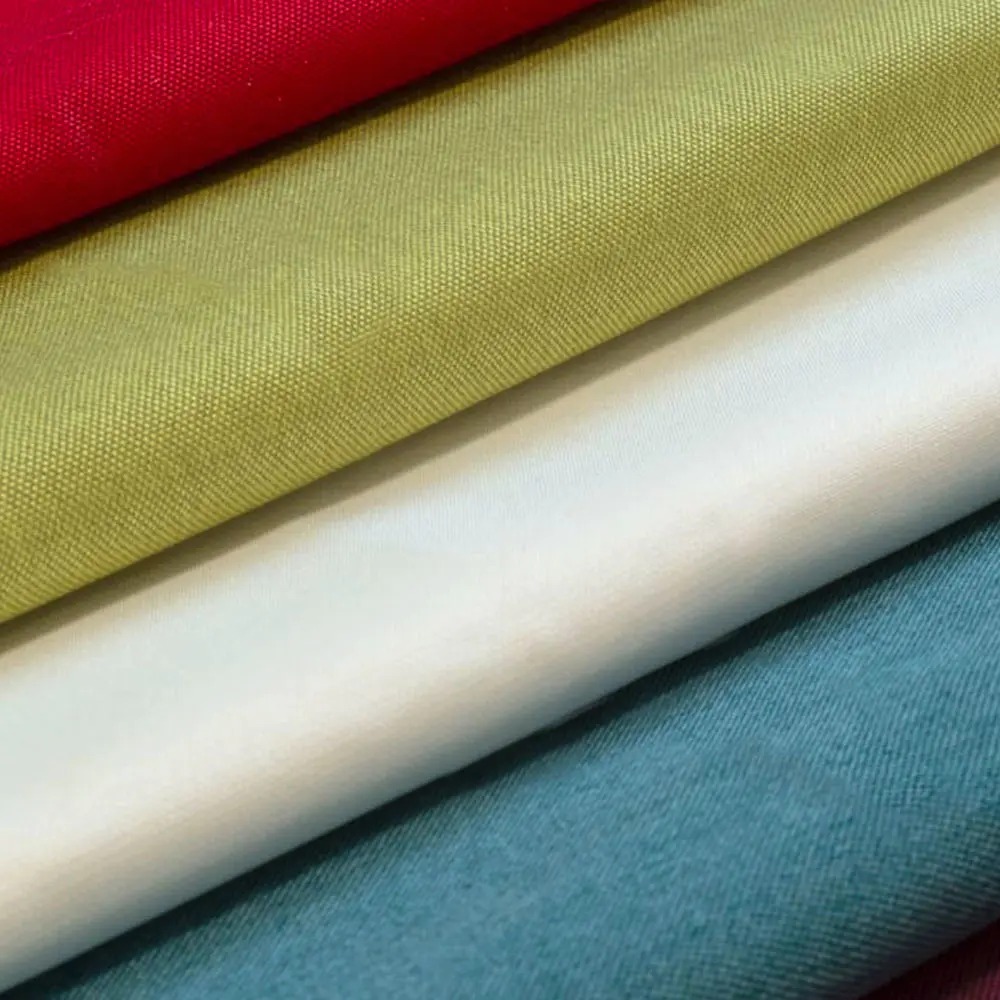
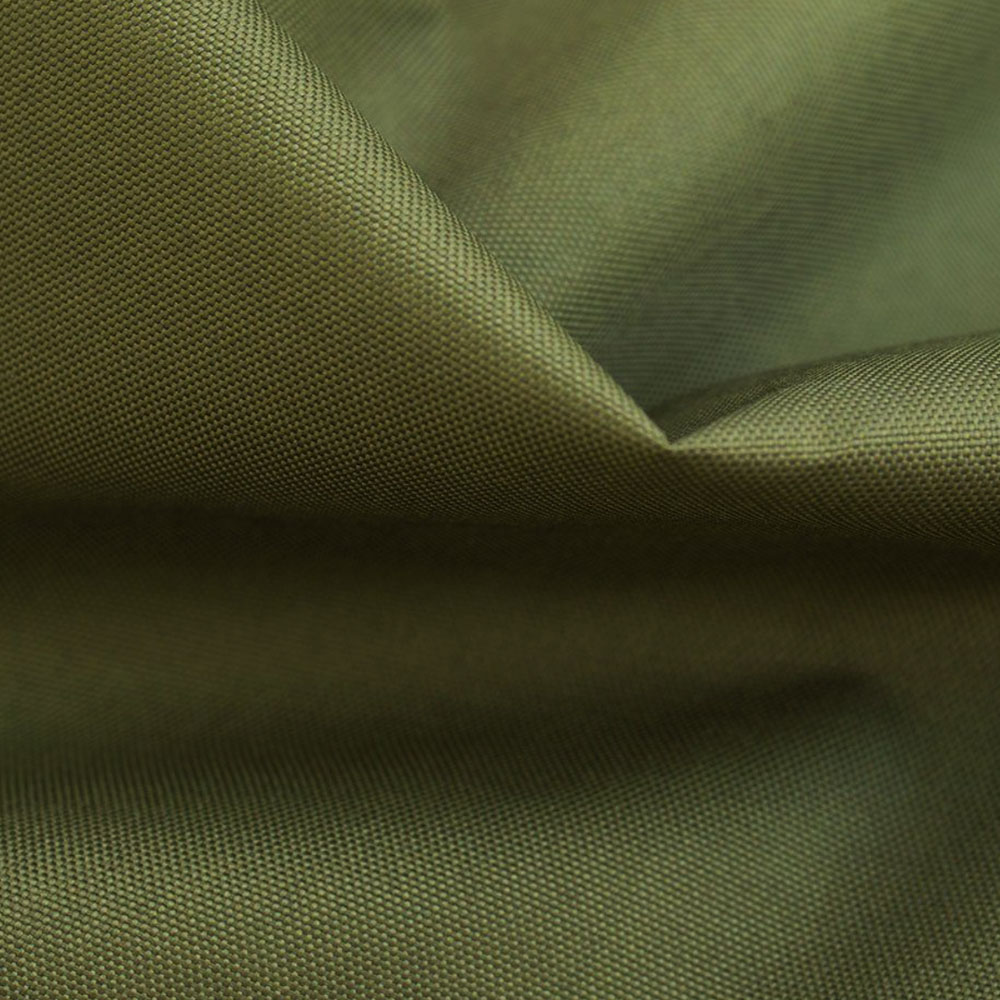
Choosing the correct color is crucial to capturing the essence of a character. For example, bright reds for superhero costumes or muted greens for earthy, forest-based characters. Additionally, some fabrics, such as satin or silk, have a natural sheen that can mimic the high gloss seen in some characters’ attire.
4. Weather Considerations
Weather and climate at the event are key factors. Lightweight materials are ideal for hot climates, while thicker fabrics like wool or faux fur are more suitable for cooler settings.
Types of Popular Cosplay Fabrics and Their Applications
The choice of fabric often depends on the character’s attributes, environment, and costume style. Here are some popular cosplay fabrics and their best uses.
| Fabric Type | Best For | Advantages | Disadvantages |
|---|---|---|---|
| Spandex/Lycra | Superheroes, athletic characters | Stretchable, comfortable, molds to the body | Can be too thin for some designs |
| Neoprene | Sci-fi, futuristic costumes, armor | Durable, form-fitting, easy to shape | Heavy, might limit movement |
| Faux Leather | Armored characters, steampunk | Durable, realistic texture, easy to maintain | Can be stiff and uncomfortable for long wear |
| Cotton | Casual, light characters, simple costumes | Breathable, comfortable, affordable | Wrinkles easily, may not hold structure well |
| Velvet | Fantasy, royal, or elegant characters | Luxurious, soft texture, rich color | Prone to catching on rough surfaces, hard to clean |
| Brocade | Historical, medieval characters | Detailed, opulent look | Heavy, difficult to work with |
| Satin/ Silk | Elegant dresses, gown-based characters | Shiny finish, graceful draping | Delicate, prone to damage, expensive |
| Wool Felt | Mythical creatures, capes, medieval garb | Holds shape well, warm | Can be bulky, heavy |
| Chiffon | Flowing dresses, light fantasy characters | Lightweight, airy, drapes beautifully | Transparent, requires layering |
How to Work with Cosplay Fabrics
Once you’ve chosen the right fabric for your costume, the next step is knowing how to work with it. Some materials are easier to sew than others, so it’s essential to be prepared.
Use the Right Tools: For delicate fabrics like silk, use a fine needle and sharp scissors. A walking foot for sewing machines can be helpful for stretchy or slippery fabrics like spandex.
Pre-wash Your Fabrics: Pre-washing is essential to ensure the fabric doesn’t shrink or change texture after the costume is completed.
Sewing Techniques: If you’re working with a fabric that frays easily (like chiffon or velvet), be sure to use finishing techniques like French seams or serging to keep the edges neat.
Layering and Bonding: When creating armor or structured costumes, you might need to layer materials or use bonding agents like fabric glue or fusible interfacing to add rigidity.
Common Mistakes to Avoid in Choosing Cosplay Fabrics
Even experienced cosplayers can make mistakes when choosing fabrics. Here are a few common missteps to watch out for:
Not Considering Fabric Stretch: Choosing fabrics without considering their stretchability can lead to a poorly fitting costume. Always ensure that your fabric will move with you, especially if the character requires flexibility.
Ignoring Fabric Weight: Lightweight fabrics like cotton may seem easy to use, but they may not provide the structure needed for certain characters. On the other hand, heavier fabrics might be too stiff for costumes that require fluidity.
Overlooking Fabric Maintenance: Consider the maintenance needs of the fabric. High-maintenance materials like silk or velvet require careful cleaning, while synthetic fabrics may be easier to maintain but could lack the luxurious appearance of natural fibers.
Choosing Inappropriate Colors: Color plays a significant role in bringing your character to life. Ensure that the fabric color closely matches the character’s original design.
Conclusion
Selecting the right cosplay fabric is a crucial step in ensuring your costume looks and feels authentic. Whether you’re crafting a superhero’s spandex suit, a fantasy character’s velvet gown, or a historical figure’s brocade attire, each fabric choice plays a role in making your cosplay stand out. Keep in mind the character’s aesthetic, your comfort, and the practicality of the fabric, and you’ll be able to create a costume that’s both stunning and wearable.
FAQ
1. How do I choose the best fabric for a character’s armor?
For armor-based characters, materials like neoprene, faux leather, and foam are ideal due to their durability and ability to hold shape. They also offer some flexibility, allowing for ease of movement.
2. Can I use cotton for a fantasy cosplay?
Cotton is best for simpler, lighter fantasy characters. If you’re aiming for a more luxurious look, consider velvet or brocade.
3. What fabric is best for a superhero costume?
Spandex or Lycra are perfect for superhero costumes due to their stretch and ability to fit closely to the body.
4. Are there any tips for sewing difficult fabrics like velvet?
When working with velvet, it’s important to use a needle designed for heavy fabrics and avoid pulling too hard on the fabric to prevent damage. A walking foot on your sewing machine can also help prevent shifting.
5. How do I ensure my cosplay fabric lasts for multiple events?
Choose fabrics that are durable, easy to care for, and able to withstand wear and tear. Fabrics like neoprene, polyester blends, and faux leather are good options for longevity.
Guarantee High Quality With Our Expertise
RELATED PRODUCTS

- Textiles
- > Cosplay Fabrics
- > Outdoor and sports series
- > Work Jacket Fabrics
- > Down Jacket Fabrics
- > Women's Wear Fabrics
- > Anti Static And Dust-Free Clothing Fabrics
- About BANYAN
- > Our Story
- > Innovation & Testing
- > Certificate
- Contact
- Address:No.2, Jinlun textile garden, 3rd south ring road, Shengze Town, Wujiang District, Suzhou
- Phone: +86-13913093109
- Email: [email protected]

