
 English
 中文简体
中文简体How Are Work Jacket Fabrics Enhancing Thermal Protection?
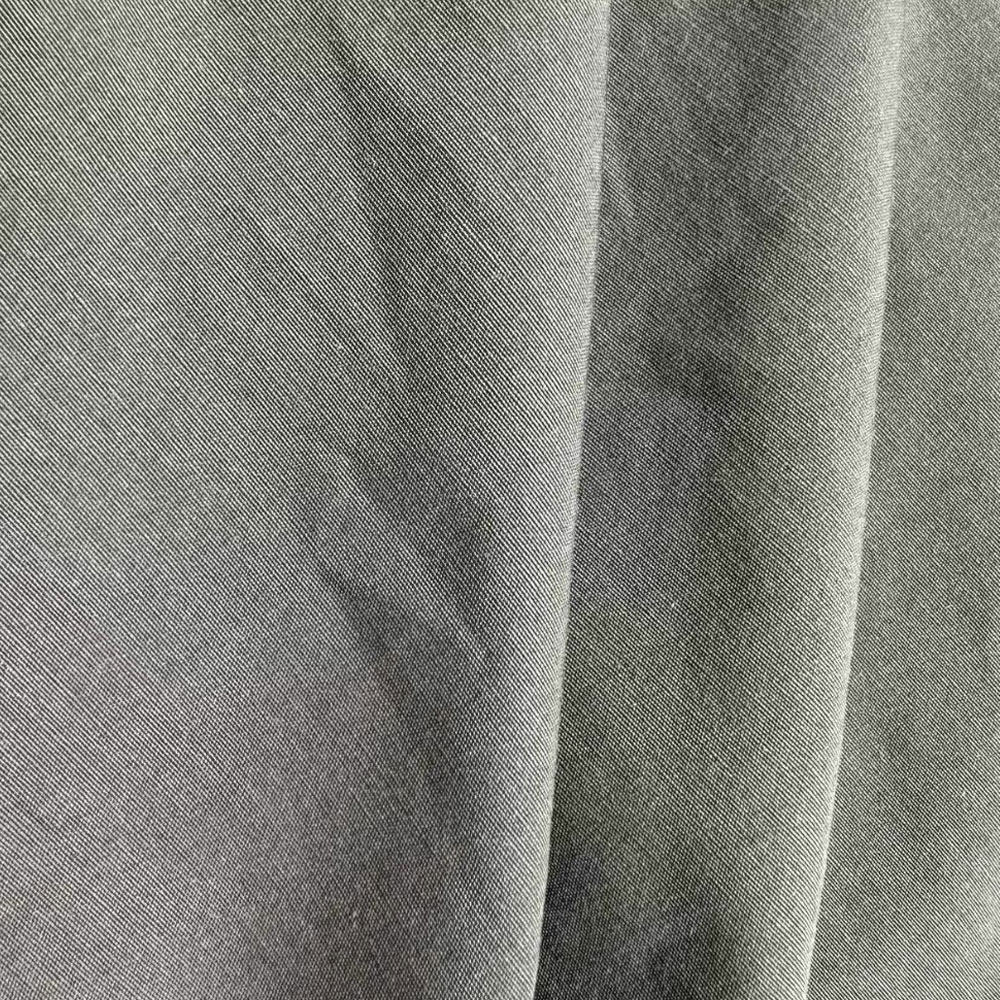
In modern industrial and outdoor environments, the need for protective clothing has never been greater. Among these, work jackets play a pivotal role in safeguarding workers from harsh temperatures, mechanical risks, and environmental hazards. The core of a work jacket’s protective performance lies in the fabric used. Over recent years, innovations in textile technology have significantly enhanced thermal protection, while maintaining comfort, durability, and breathability.
The Evolution of Work Jacket Fabrics
Historically, work jackets were made of heavy-duty cotton or wool, providing basic insulation but lacking flexibility and moisture management. With the rise of synthetic fibers and composite textiles, work jacket fabrics have evolved to meet increasingly complex demands. Modern fabrics are engineered to provide thermal insulation without adding excessive weight, offering both warmth and mobility for workers in extreme conditions.
Key Factors in Thermal Protection
Several factors determine the effectiveness of work jacket fabrics in thermal protection:
- Insulation Efficiency: The ability of the fabric to retain body heat while preventing cold penetration.
- Moisture Management: The capability to wick sweat away from the skin, maintaining comfort even in fluctuating temperatures.
- Wind and Water Resistance: Barriers against cold winds and water to reduce heat loss.
- Durability and Abrasion Resistance: Ensuring the fabric remains protective in harsh work environments.
These factors interact to create a balanced fabric that protects the worker without sacrificing wearability.
Materials Enhancing Thermal Protection
The latest work jacket fabrics leverage a variety of fibers and weaves to enhance thermal insulation. Commonly used materials include:
| Fabric Type | Thermal Properties | Additional Benefits |
|---|---|---|
| Polyester Microfiber | High heat retention, lightweight | Quick-drying, durable |
| Polypropylene Blend | Low thermal conductivity, moisture repellent | Chemical resistant, flexible |
| Wool-Cotton Hybrid | Natural insulation, breathable | Comfortable, sustainable |
| Fleece-lined Nylon | Soft inner lining retains body heat | Water and wind-resistant outer layer |
| Technical Laminates | Reflective heat barrier, multi-layered | Windproof, often flame-retardant |
Each material brings unique advantages. Polyester microfiber, for example, allows for lightweight jackets that do not compromise warmth. Wool-cotton hybrids balance insulation with breathability, preventing overheating during active work. Laminates and fleece linings offer layered protection, particularly valuable in outdoor and industrial applications.
Structural Design of Work Jacket Fabrics
Beyond material choice, the construction of work jacket fabrics significantly affects thermal protection. The key design aspects include:
- Weave Density: Tighter weaves reduce airflow and prevent heat loss.
- Layering Techniques: Multi-layer fabrics trap air between layers, enhancing insulation.
- Surface Treatments: Water-repellent and windproof coatings minimize external heat loss.
- Stretch and Fit: Ergonomically designed jackets reduce gaps where cold air can penetrate.
These design choices enable work jackets to provide consistent warmth, even in extreme outdoor or industrial conditions.
Integration of Innovative Technologies
Modern textile innovation has brought several technologies into work jacket fabrics:
- Phase Change Materials (PCMs): Materials that absorb and release thermal energy, stabilizing body temperature.
- Reflective Coatings: Fabrics that reflect body heat back to the wearer.
- Moisture-Wicking Layers: Advanced fibers that transport sweat away from the skin, preventing chill from dampness.
- Nanotechnology Treatments: Fabrics with microstructures that enhance heat retention without increasing weight.
These technologies allow work jackets to adapt to changing environmental conditions, maintaining comfort while maximizing thermal protection.
Performance Testing and Standards
To ensure safety and effectiveness, work jacket fabrics undergo rigorous testing, including:
- Thermal Resistance Measurement: Evaluating how well fabrics retain heat.
- Moisture Permeability Tests: Assessing breathability and sweat management.
- Durability and Abrasion Tests: Measuring fabric lifespan in demanding conditions.
- Wind and Water Resistance Tests: Confirming protection against environmental elements.
Compliance with industry standards ensures that work jackets provide reliable thermal protection while maintaining comfort and mobility.
Practical Benefits for End Users
The integration of advanced fabrics in work jackets brings tangible benefits to workers:
- Improved Comfort: Lightweight, breathable fabrics prevent overheating while providing warmth.
- Enhanced Safety: Effective thermal protection reduces the risk of hypothermia and cold-related injuries.
- Increased Productivity: Comfortable workers are able to perform tasks more efficiently without frequent breaks due to cold discomfort.
- Durability and Cost Efficiency: Long-lasting fabrics reduce replacement costs and ensure consistent protection.
Choosing the Right Work Jacket Fabric
When selecting work jackets, consider the following criteria:
| Criteria | Description |
|---|---|
| Thermal Insulation | Adequate warmth for the expected temperature conditions |
| Weight and Mobility | Light enough for movement, without restricting tasks |
| Moisture Management | Efficient sweat wicking to maintain comfort |
| Environmental Resistance | Protection against wind, rain, and cold |
| Durability | Resistance to abrasions, tears, and repeated washing |
Matching the fabric’s properties to the specific work environment ensures optimal protection and performance.
Conclusion
Work jacket fabrics are no longer simple layers of cloth; they are sophisticated textiles engineered for safety, comfort, and thermal protection. By combining advanced materials, innovative design, and cutting-edge technologies, modern work jackets ensure workers remain warm and protected in challenging conditions.
FAQ
Q1: What materials provide the best thermal protection in work jackets?
A: Materials like polyester microfiber, wool-cotton blends, fleece-lined nylon, and technical laminates are highly effective due to their insulation, breathability, and environmental resistance.
Q2: How do work jacket fabrics manage moisture?
A: Advanced fibers and moisture-wicking layers transport sweat away from the skin, maintaining dryness and preventing chill.
Q3: Are multi-layer fabrics better than single-layer fabrics?
A: Yes, multi-layer fabrics trap air between layers, improving insulation without significantly increasing weight.
Q4: Can work jackets remain comfortable during high activity?
A: Modern fabrics balance insulation with breathability and stretch, allowing full mobility without overheating.
Guarantee High Quality With Our Expertise
RELATED PRODUCTS


- Textiles
- > Cosplay Fabrics
- > Outdoor and sports series
- > Work Jacket Fabrics
- > Down Jacket Fabrics
- > Women's Wear Fabrics
- > Anti Static And Dust-Free Clothing Fabrics
- About BANYAN
- > Our Story
- > Innovation & Testing
- > Certificate
- Contact
- Address:No.2, Jinlun textile garden, 3rd south ring road, Shengze Town, Wujiang District, Suzhou
- Phone: +86-13913093109
- Email: [email protected]

