
 English
 中文简体
中文简体How to Use Cosplay Fabrics to Create Highly Accurate Character Outfits?
Cosplay has evolved from a niche hobby into a sophisticated craft, requiring attention to detail, design accuracy, and material selection. One of the most critical components in achieving high-quality cosplay is the choice of fabrics. Cosplay fabrics are not simply textiles; they are the foundation that determines the authenticity, durability, and visual appeal of the final outfit. By understanding the properties of different cosplay fabrics and how to utilize them, cosplayers can elevate their creations from good to highly accurate representations of beloved characters.
Understanding Cosplay Fabrics
Cosplay fabrics are designed specifically to meet the unique demands of costume-making. Unlike general-purpose fabrics, they often incorporate features such as stretchability, gloss, texture, and lightweight construction. The right fabric can bring animated characters, comic heroes, or fantasy figures to life by mimicking the look and feel of the original design.
Key Characteristics of Cosplay Fabrics
- Texture: Cosplay fabrics come in a range of textures, from smooth satin and silk-like materials to rougher, structured textiles that hold shape for armor or accessories.
- Flexibility: Some characters require fabrics that stretch and conform to the body, while others benefit from stiffer fabrics that maintain silhouettes.
- Durability: Cosplay outfits often endure repeated wear, posing, and conventions. Fabrics must withstand friction, washing, and occasional mishaps.
- Visual Accuracy: Fabrics should reflect the character’s costume colors, patterns, and finishes, whether glossy, matte, or metallic.
Common Types of Cosplay Fabrics
| Fabric Type | Ideal Use Case | Key Feature |
|---|---|---|
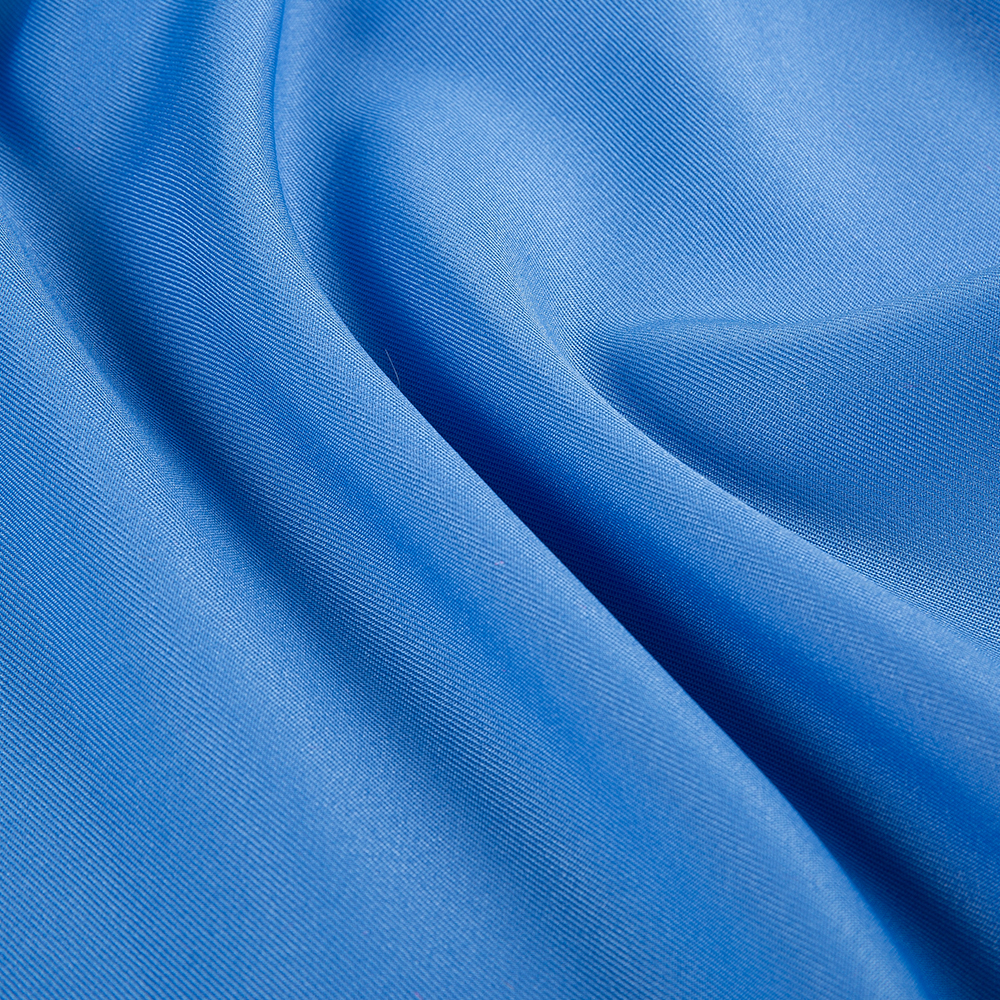
| Satin | Formal dresses, flowing robes | Smooth, shiny surface |
| Spandex/Lycra | Bodysuits, form-fitting outfits | High stretch and recovery |
| Velvet | Elegant, luxurious garments | Soft texture with depth |
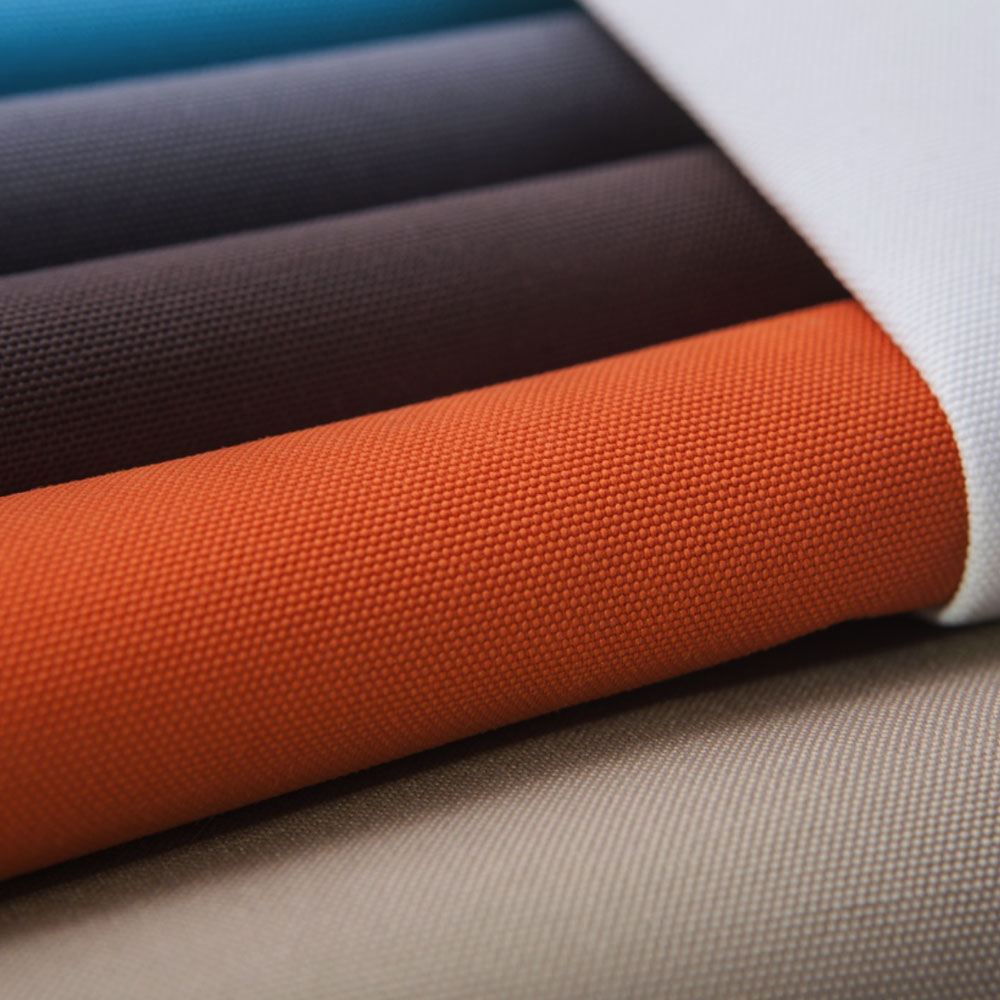
| Twill/Canvas | Armor pieces, structured clothing | Strong and shape-retentive |
| Organza/Chiffon | Capes, layered skirts | Lightweight and translucent |
| Faux Leather | Jackets, belts, accessories | Realistic leather look with flexibility |
Selecting the Right Fabric for Accuracy
The accuracy of a cosplay outfit largely depends on how well the chosen fabrics replicate the original character’s costume. A mismatch in texture or weight can disrupt the illusion. When selecting fabrics, cosplayers should consider the following steps:
- Analyze Reference Images: Study the character from multiple angles to determine the fabric type that matches the visual appearance.
- Identify Functional Needs: Consider whether the outfit requires flexibility, structure, or durability.
- Test Samples: Small swatches allow designers to see how fabrics drape, react to light, and interact with other materials.
- Consider Layering: Multiple fabrics can be combined to mimic complex textures, such as armor over a bodysuit or layered skirts.
Functional vs. Decorative Fabrics
| Function | Examples of Fabrics | Notes |
|---|---|---|
| Structural | Twill, Canvas, Faux Leather | Holds shape, ideal for armor or props |
| Flexible | Spandex, Lycra, Stretch Satin | Comfort and mobility, fits tightly to body |
| Decorative | Organza, Velvet, Satin | Adds visual richness, layering effects |
Role of a Cosplay Fabrics Factory
For serious cosplayers, sourcing high-quality fabrics is paramount. A dedicated cosplay fabrics factory can provide materials tailored for costume-making, ensuring consistent quality, accurate colors, and specialized textures. Factories often offer:
- Custom dyeing and patterning for precise color matching.
- Large rolls of specialized fabrics for extensive projects.
- Technical guidance on fabric properties and uses.
Collaborating with a reliable cosplay fabrics factory reduces the risk of selecting unsuitable materials and ensures that complex costumes can be executed with professional precision.
Techniques for Using Cosplay Fabrics
Even with the best materials, improper handling can compromise a costume’s accuracy. Here are key techniques:
Cutting and Patterning
- Use Sharp Tools: Fabric scissors or rotary cutters minimize fraying.
- Pattern Weighting: Weights prevent shifting while cutting.
- Grain Alignment: Align fabrics according to the weave to maintain stretch and drape.
Sewing and Assembly
- Appropriate Needles: Use stretch needles for Lycra and sharp needles for dense fabrics.
- Reinforce Stress Points: Seams on joints or fitted areas require extra stitching.
- Layering Strategy: Position base layers first, then build textures and embellishments for accuracy.
Finishing Techniques
- Heat-Setting: Some fabrics respond well to low-heat pressing, enhancing smoothness or sharp creases.
- Edge Treatments: Hemming, binding, or serging prevents fraying and improves durability.
- Surface Treatments: Gloss sprays or fabric paints can mimic armor or metallic effects without heavy props.
Combining Fabrics for Complex Costumes
Many characters wear outfits with varying textures and structural demands. A combination of fabrics can achieve a realistic and functional design:
| Costume Part | Recommended Fabrics | Notes |
|---|---|---|
| Bodysuit | Spandex/Lycra | Stretchy and form-fitting |
| Armor Pieces | Faux Leather, Canvas | Holds shape, easy to paint |
| Cape/Skirt | Satin, Organza | Flowing movement, visual depth |
| Decorative Details | Velvet, Satin, Appliqué fabrics | Adds richness and character accuracy |
By thoughtfully integrating different fabrics, cosplayers can balance comfort, aesthetics, and durability.
Innovations in Cosplay Fabrics
The cosplay industry continues to push boundaries, with factories developing fabrics that enhance visual accuracy and usability:
- 3D Textured Fabrics: Offer surface reliefs for armor or intricate patterns.
- Reflective and Metallic Textiles: Mimic futuristic or fantasy armor.
- Lightweight Composite Fabrics: Combine structure with flexibility, ideal for wearable props.
These innovations allow designers to achieve effects previously possible only with extensive crafting techniques or heavy props.
Maintenance and Longevity
Proper care ensures that cosplay fabrics retain their appearance across multiple events. Key recommendations include:
- Gentle Hand Washing: Many fabrics lose shape or shine in harsh machines.
- Storage: Hang flowing garments and fold structured pieces to prevent creasing.
- Repair Kits: Keep matching thread and fabric patches on hand for quick fixes during conventions.
Conclusion
Creating highly accurate cosplay outfits is a meticulous process, with fabric selection at its core. By leveraging specialized cosplay fabrics from a dedicated cosplay fabrics factory, understanding their properties, and employing precise techniques, cosplayers can achieve visually stunning, durable, and true-to-character costumes. The intersection of artistry and material science is what transforms a good costume into an extraordinary one, satisfying both creators and audiences alike.
FAQ
Q1: What makes cosplay fabrics different from regular fabrics?
A: Cosplay fabrics are specifically designed for costume-making, offering properties like stretch, texture, durability, and visual effects that general fabrics often lack.
Q2: How can I choose the right fabric for my character outfit?
A: Analyze reference images, consider functionality, test small fabric samples, and layer fabrics strategically to replicate textures and shapes accurately.
Q3: Why is sourcing from a cosplay fabrics factory beneficial?
A: A dedicated factory ensures consistent quality, precise colors, specialized textures, and can provide guidance on suitable fabrics for complex designs.
Q4: Can I mix multiple fabrics in one costume?
A: Yes, combining fabrics allows for structural integrity, flexibility, and visual accuracy, especially when replicating complex designs with armor, flowing capes, or detailed embellishments.
Q5: How do I maintain cosplay fabrics for long-term use?
A: Gentle hand washing, proper storage, and keeping repair materials on hand help preserve the appearance and durability of your cosplay fabrics.
Guarantee High Quality With Our Expertise
RELATED PRODUCTS

- Textiles
- > Cosplay Fabrics
- > Outdoor and sports series
- > Work Jacket Fabrics
- > Down Jacket Fabrics
- > Women's Wear Fabrics
- > Anti Static And Dust-Free Clothing Fabrics
- About BANYAN
- > Our Story
- > Innovation & Testing
- > Certificate
- Contact
- Address:No.2, Jinlun textile garden, 3rd south ring road, Shengze Town, Wujiang District, Suzhou
- Phone: +86-13913093109
- Email: [email protected]

